
CrossRoads Paving Solutions
2026 Paver Trends: The Timeless Appeal of Natural Stone and Clay
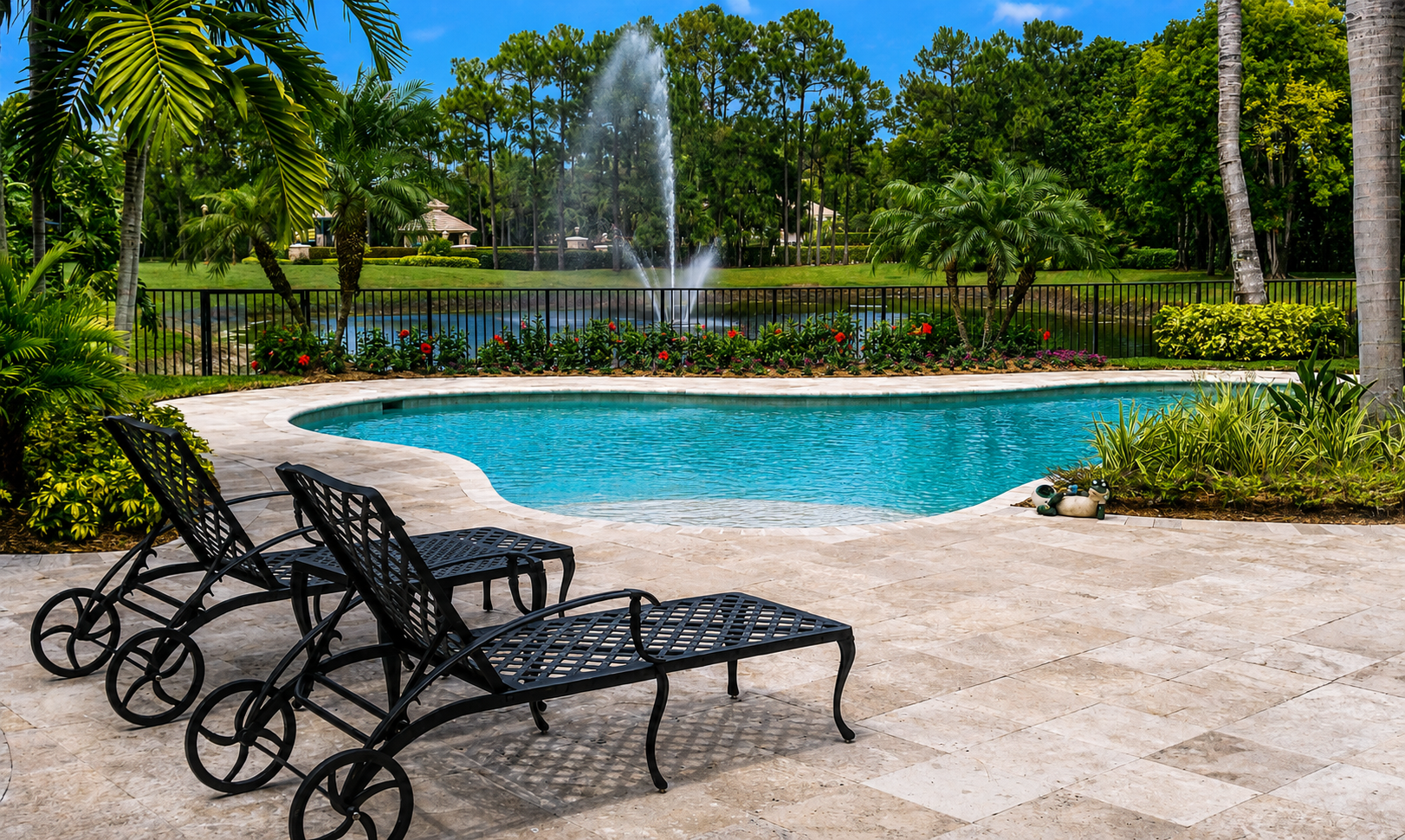
South Florida homeowners are asking more from their outdoor spaces. A driveway must complement the architecture, a pool deck should feel comfortable and inviting, and a patio is expected to function like an outdoor room. In 2026, the paver industry is responding with materials and designs that balance luxury, durability and responsible water management. At CrossRoads Paving Solutions, we have installed interlocking paver driveways, patios, pool decks, walkways and roadways since 2009. Here is what homeowners and builders should know about today's trends plus a closer look at two enduring premium materials: natural stone and clay.
Current outdoor-design collections point toward warmer earth tones, stone-inspired textures, refined contrasts and large-format layouts. Clean, monochromatic designs remain popular, but they are increasingly paired with mixed materials, contrasting borders and carefully placed color. The result feels sophisticated without looking overly uniform.
Sustainability is also influencing product selection and project planning. Permeable interlocking pavement systems allow stormwater to move through aggregate-filled joints into a specially designed stone base. The Concrete Masonry & Hardscapes Association recognizes these systems as a stormwater best-management and low-impact-development tool. When the site and system are properly engineered, permeable pavement can help reduce runoff, puddling and pressure on drainage infrastructure — an especially relevant consideration in South Florida.
Homeowners are also thinking beyond a single surface. Coordinated pavers, pool coping, steps, borders, retaining elements and outdoor-living features can create one visually connected environment from the front entrance to the backyard.
Natural Stone Pavers: Distinctive Beauty Created by Nature
Natural stone pavers are cut from quarried material rather than manufactured to look like stone. Every piece carries its own variation in color, veining, texture and movement, giving the finished surface a truly one-of-a-kind character.
- Popular options include: Travertine — known for its warm, Mediterranean appearance and naturally varied surface, frequently considered for patios and pool surrounds.
- Limestone — offers softer movement and an elegant, understated palette that works well with both traditional and contemporary architecture.
- Marble — creates a polished, upscale appearance with distinctive veining and color variation; exterior-grade selections and appropriate finishes are essential.
- Granite — dense, strong and well suited to applications where durability is a priority.
Not every natural stone is appropriate for every location. Before purchasing, consider the stone's absorption, abrasion resistance, strength, finish and slip resistance. The Natural Stone Institute identifies standardized testing for these performance characteristics, including absorption, compressive and flexural strength, abrasion resistance and dynamic coefficient of friction. For pool decks and other wet areas, the finish and documented slip performance deserve particular attention. Natural stone may also benefit from a compatible penetrating sealer, depending on the stone, location and desired appearance. A qualified installer or stone professional should recommend a product after evaluating the specific material; an unsuitable sealer can change the color or reduce traction.
Clay Pavers: Authentic Color and Classic Character
- Clay pavers — often called brick pavers — are made from natural clay or shale and fired at high temperatures.
Unlike a surface coating, their color is created by the raw materials and firing process. That through-body character helps clay age gracefully and retain its traditional appeal. Clay works beautifully with Mediterranean, Spanish Revival, coastal, historic and transitional homes. Reds and burgundies remain classics, while earth, gray, buff and blended tones can create a more contemporary result. Running bond, basketweave and herringbone patterns each give the same paver a different architectural personality.
Product selection still matters. Units intended for exterior paving should be specified for the application and expected traffic. Vehicular areas require the correct paving unit, base design, edge restraint and laying pattern — not simply a brick that looks attractive. Around pools or frequently wet areas, choose an exterior product and surface texture with suitable slip characteristics.
Natural Stone or Clay: Which Is Right for Your Project? Choose natural stone when you want organic variation, premium material character and a surface that feels closely tied to the landscape
Choose clay when you want rich, lasting color, traditional craftsmanship and strong architectural definition. The best choice also depends on where the pavers will be installed. Driveways must handle turning and braking forces. Pool decks need careful attention to surface temperature, drainage and traction. Patios may prioritize comfort, furniture placement and visual continuity with indoor flooring. A beautiful sample is only the beginning; the product must also suit the site and use.
Tips and Tricks for a Better Paver Project
- Bring samples outdoors and review them in morning light, full sun, shade and evening light — South Florida sunlight can make colors look very different from an indoor showroom.
- Select from multiple pallets during installation to blend pieces and distribute natural color variation. Plan drainage before choosing the pattern; finished elevations, slope, downspouts and water flow should be resolved before installation begins. Do not compromise on the base — excavation depth, compacted aggregate, bedding material and edge restraint determine how well a pavement performs.
Match the material to the traffic; large slabs that work beautifully on a patio may not be rated for a driveway. Choose pool-deck finishes carefully and ask about wet slip performance, texture and heat comfort. Test cleaners and sealers first in a small, inconspicuous area. Keep joints maintained and replace missing joint material promptly.
The most successful paver projects combine a suitable product, thoughtful design and professional installation. Whether your goal is the organic elegance of natural stone, the timeless warmth of clay or a custom blend of materials, CrossRoads Paving Solutions can help you compare options and develop a system suited to your property. Ready to transform your driveway, patio, pool deck, walkway or entrance? Contact CrossRoads Paving Solutions to schedule a consultation and request an estimate.
Ready to transform your outdoor space?
Contact CrossRoads Paving Solutions for a free estimate.
Get A Free Quote